
Transform Your Workspace: The Role of Interior Design in Enhancing Business Productivity
Introduction to Interior Design and Productivity
In today's fast-paced business environment, companies are constantly seeking ways to enhance productivity. One often overlooked yet highly impactful factor is the role of interior design in the workplace. A well-designed office not only improves aesthetics but also significantly boosts employee performance and satisfaction. By strategically planning the layout and choosing the right elements, businesses can create an environment that fosters creativity and efficiency.
The Psychology of Space
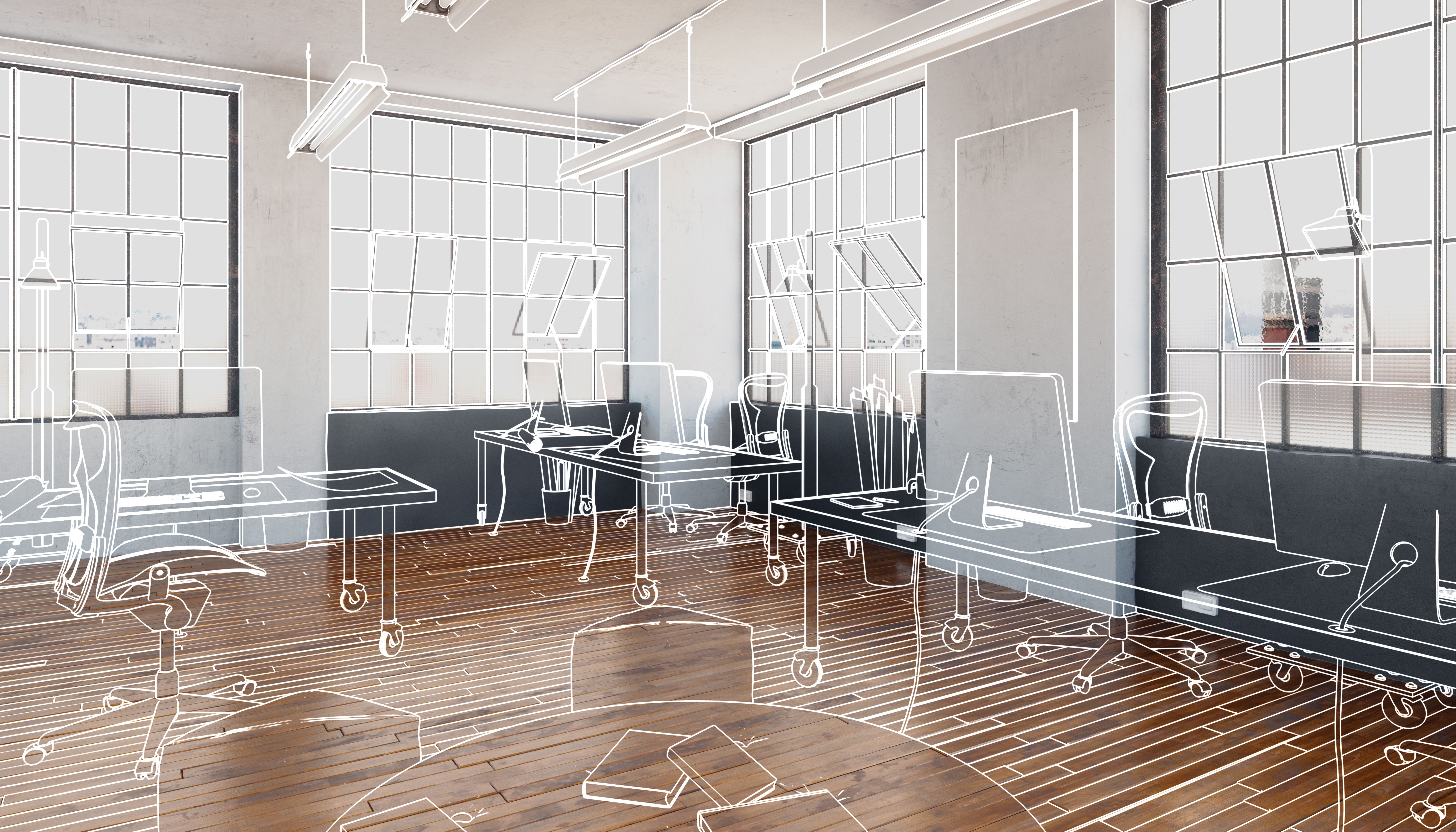
Understanding the psychology of space is crucial in creating a productive work environment. The way space is organized can influence employee behavior, mood, and motivation. Factors such as lighting, color schemes, and spatial arrangements play a vital role in shaping the overall atmosphere. For instance, natural lighting has been shown to enhance mood and reduce fatigue, while thoughtfully chosen color palettes can inspire focus and creativity.
Lighting and Its Impact
Lighting is one of the most significant aspects of interior design that affects productivity. Natural light not only reduces energy costs but also boosts mental health. Studies have shown that employees working in environments with ample natural light tend to be more alert and productive. If natural light isn't available, using LED lights that mimic daylight can be an effective alternative.
Color Psychology in the Workplace
Colors can evoke various emotions and responses. In a business setting, choosing the right colors can enhance focus, stimulate creativity, and even reduce stress. For example:
- Blue: Promotes calmness and focus.
- Green: Associated with balance and relaxation.
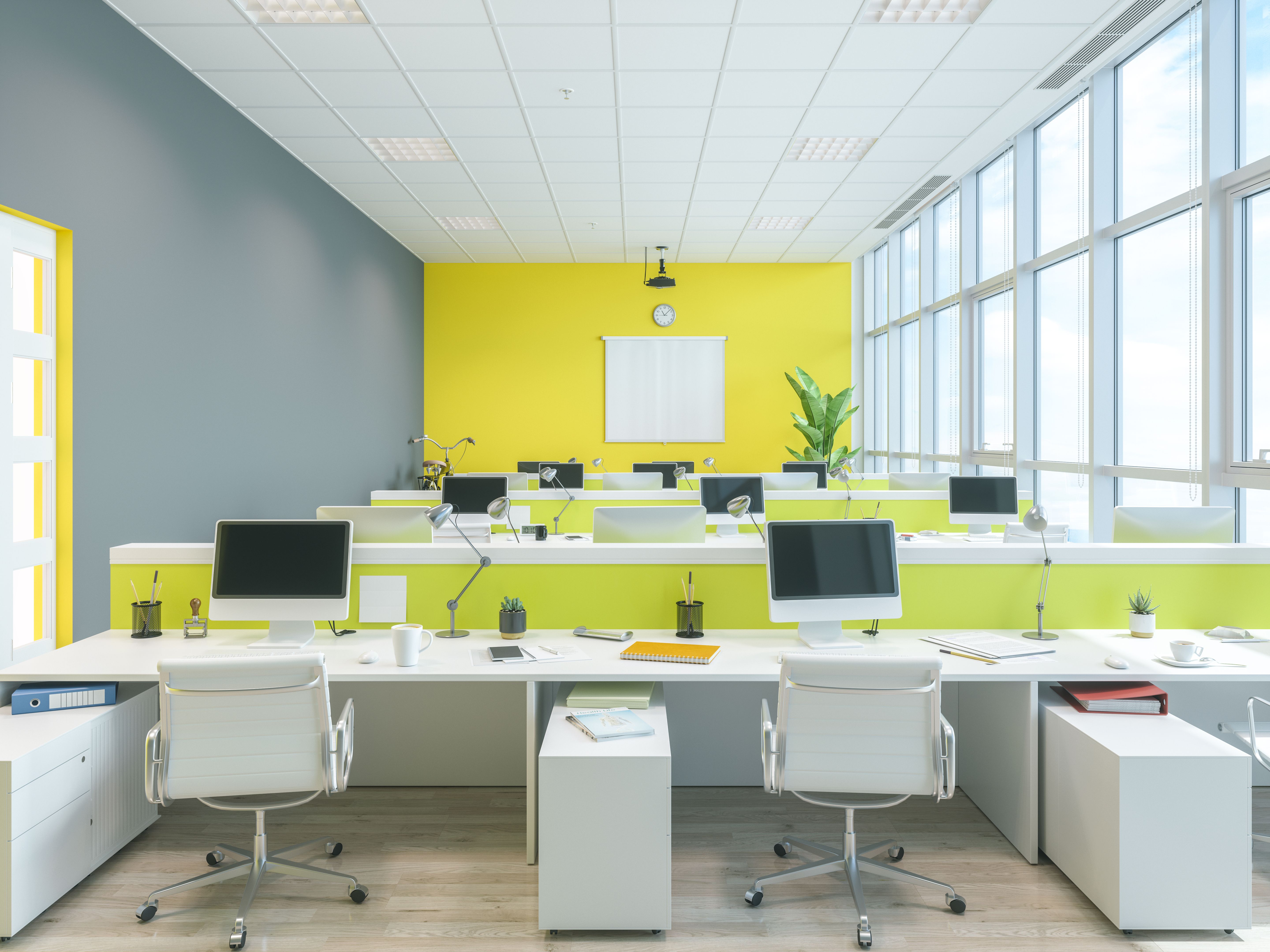
- Yellow: Stimulates creativity and optimism.
Functional Furniture for Enhanced Comfort
The importance of ergonomic furniture cannot be overstated when it comes to promoting productivity. Investing in ergonomic chairs and adjustable desks can prevent discomfort and health issues, which in turn reduces absenteeism and increases concentration. Comfortable seating arrangements encourage collaboration, while private spaces allow for focused individual work.
Creating Collaborative Spaces
Modern businesses often emphasize teamwork, making collaborative spaces essential. Open-plan offices with communal areas encourage interaction and idea-sharing among employees. However, it's equally important to incorporate quiet zones where individuals can focus without distractions. Achieving the right balance between open and private spaces can lead to a more dynamic and adaptable work environment.

Incorporating Nature for Well-being
Biophilic design, which integrates natural elements into the workplace, has been gaining popularity due to its positive impact on employee well-being. Incorporating plants, water features, or even nature-inspired artwork can reduce stress levels and improve cognitive function. These elements not only enhance the visual appeal of an office but also create a calming atmosphere conducive to productivity.
The Role of Technology in Modern Workspaces
Incorporating technology seamlessly into office design is essential for enhancing productivity. From smart lighting systems that adjust based on occupancy to integrated communication tools that facilitate remote collaboration, technology plays a crucial role in modern workspace functionality. Ensuring that technology is user-friendly and accessible can significantly improve workflow efficiency.
Conclusion: Designing for Success
Transforming your workspace through strategic interior design is a powerful way to enhance business productivity. By understanding the psychological impact of space and thoughtfully integrating elements like lighting, color, furniture, and technology, businesses can create environments that inspire and motivate their teams. Investing in a well-designed office not only benefits employees but also contributes to the overall success of the organization.